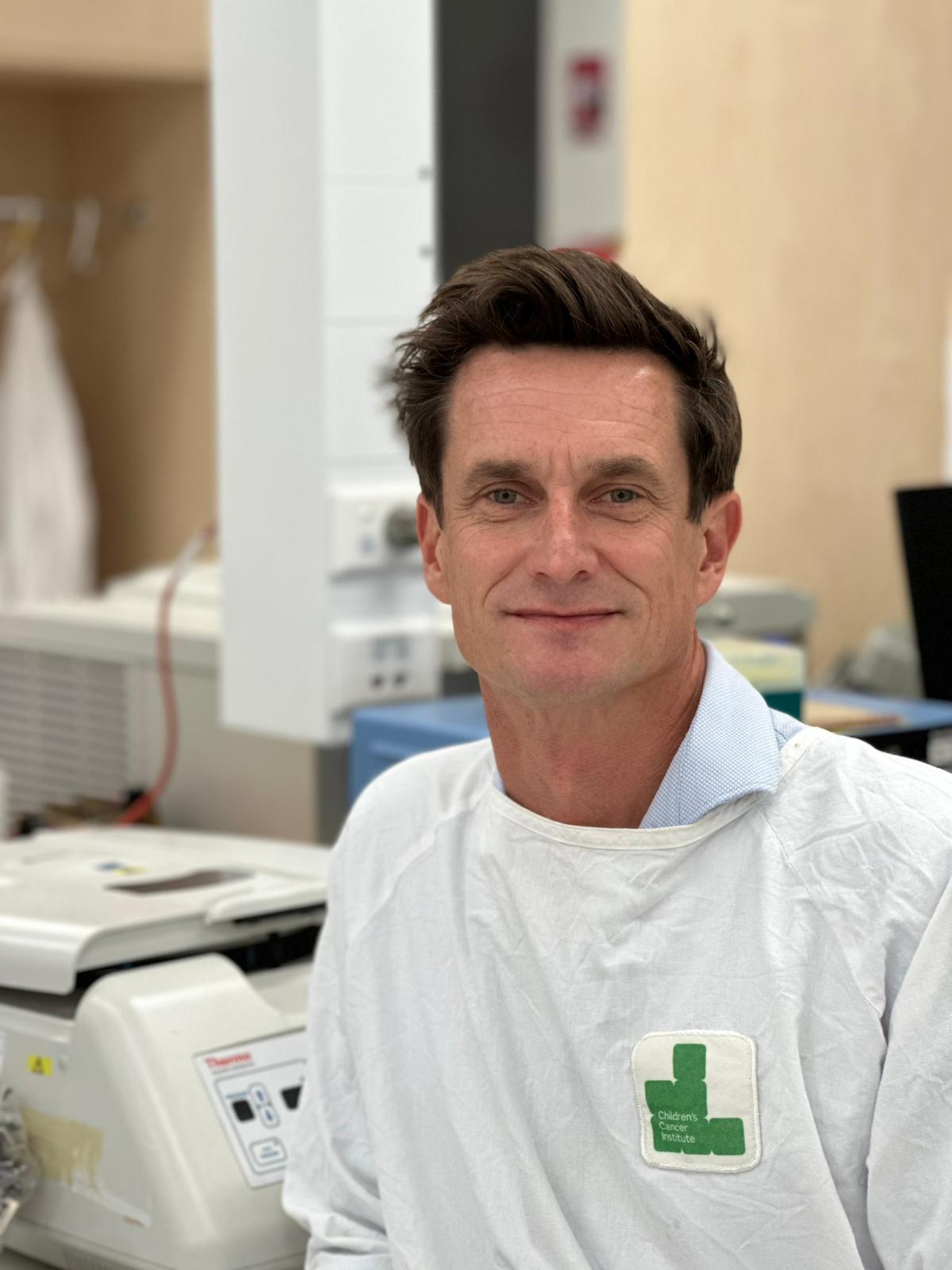

Associate Professor Charles de Bock
Children’s Cancer Institute (NSW) and UNSW Sydney (NSW)
$574,181
2026 - 2029
Background:
About 5,300 people are diagnosed with a form of leukaemia in Australia each year. About 1,600 of these cases are acute leukaemia.
Acute lymphoblastic leukaemia (ALL) is a type of blood cancer that mainly affects children and young people. While many children can be treated successfully, some will see their cancer return, and treatment options for relapsed or refractory ALL are very limited. Survival rates drop sharply once the disease comes back, especially for teenagers and young adults. There is a strong need for new treatments that work better and cause fewer long-term side effects.
About the Project:
A/Prof Charles de Bock and his team are developing new immune-based treatments that help the body’s own immune system find and destroy leukaemia cells. Researchers have identified a protein called FAT1 that appears on the surface of many leukaemia cells but is mostly absent from healthy blood cells.
The team has created new treatments that specifically target this protein, including antibodies and specially engineered immune cells known as CAR-T cells. These treatments are designed to recognise and kill leukaemia cells while leaving healthy cells unharmed.
The project will test several FAT1-targeted treatment approaches in laboratory studies and patient-derived models to determine which option is the safest and most effective. The goal is to identify the best treatment to move forward toward clinical trials.
Impact:
This research could lead to new treatment options for children and young people with relapsed or hard-to-treat leukaemia, including forms of ALL that currently have very few immune-based therapies. By targeting leukaemia cells more precisely, these treatments may be more effective and less toxic than existing options. In the long term, this work could improve survival rates and reduce the long-term health problems many survivors face after intensive treatment. It also lays the groundwork for bringing these therapies into clinical trials.


.svg)