.png)
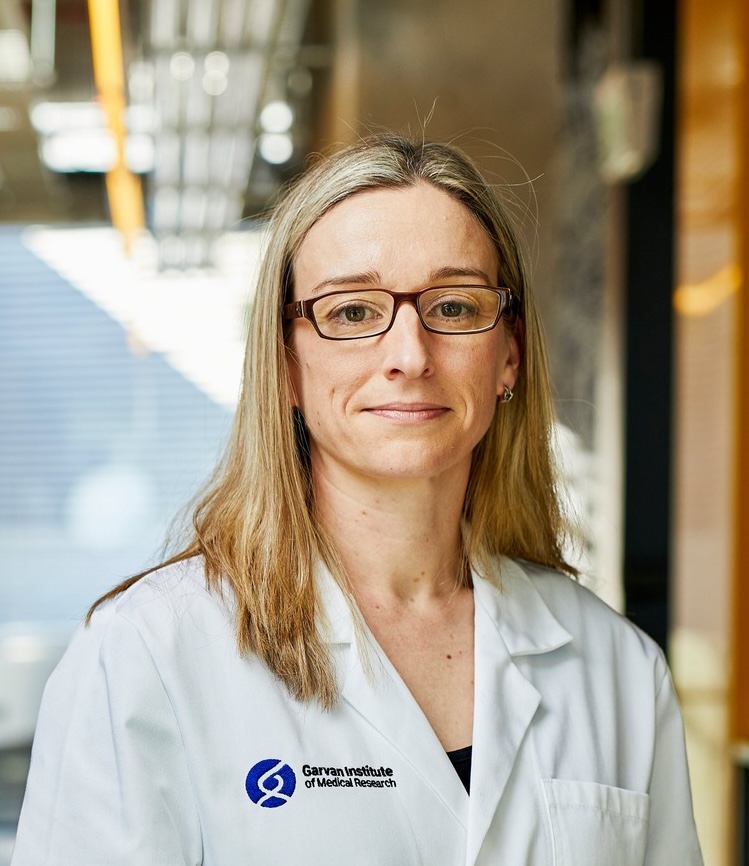
Associate Professor Liz Caldon
UNSW Sydney (NSW)
$600,000
2026 - 2029
Background:
This research tackles drug resistance in advanced estrogen receptor-positive (ER+) breast cancer, which is estimated to contribute to more than 1,500 deaths each year in Australia.
Many people with advanced estrogen receptor-positive (ER+) breast cancer are treated with hormone therapy combined with targeted drugs called CDK4/6 inhibitors. While these treatments can work well at first, around one in three patients eventually stop responding, leaving them with limited and often harsh treatment options. Drug resistance is one of the major reasons why advanced breast cancer remains life-threatening for many people.
About the Project:
A/Prof Liz Caldon and her team is focusing on finding a better treatment option for people whose breast cancer has become resistant to CDK4/6 inhibitors. Their research has identified a new target in cancer cells, called CAMK2D, which is more highly expressed in cancers that no longer respond to treatment. A/Prof Caldon has shown that ruxolitinib, an existing, well-studied drug, can block CAMK2D and slow cancer growth under laboratory conditions. As ruxolitinib is already approved and known to be safe, this research has strong potential to move quickly towards clinical trials for people with advanced breast cancer.
Impact:
This research could lead to a more precise and effective treatment for people with treatment resistant ER+ breast cancer, reducing the need for non-specific chemotherapy and its side effects. By repurposing an existing drug, this project aims to speed up access to new treatment options and improve outcomes and quality of life for patients and their families.


.svg)