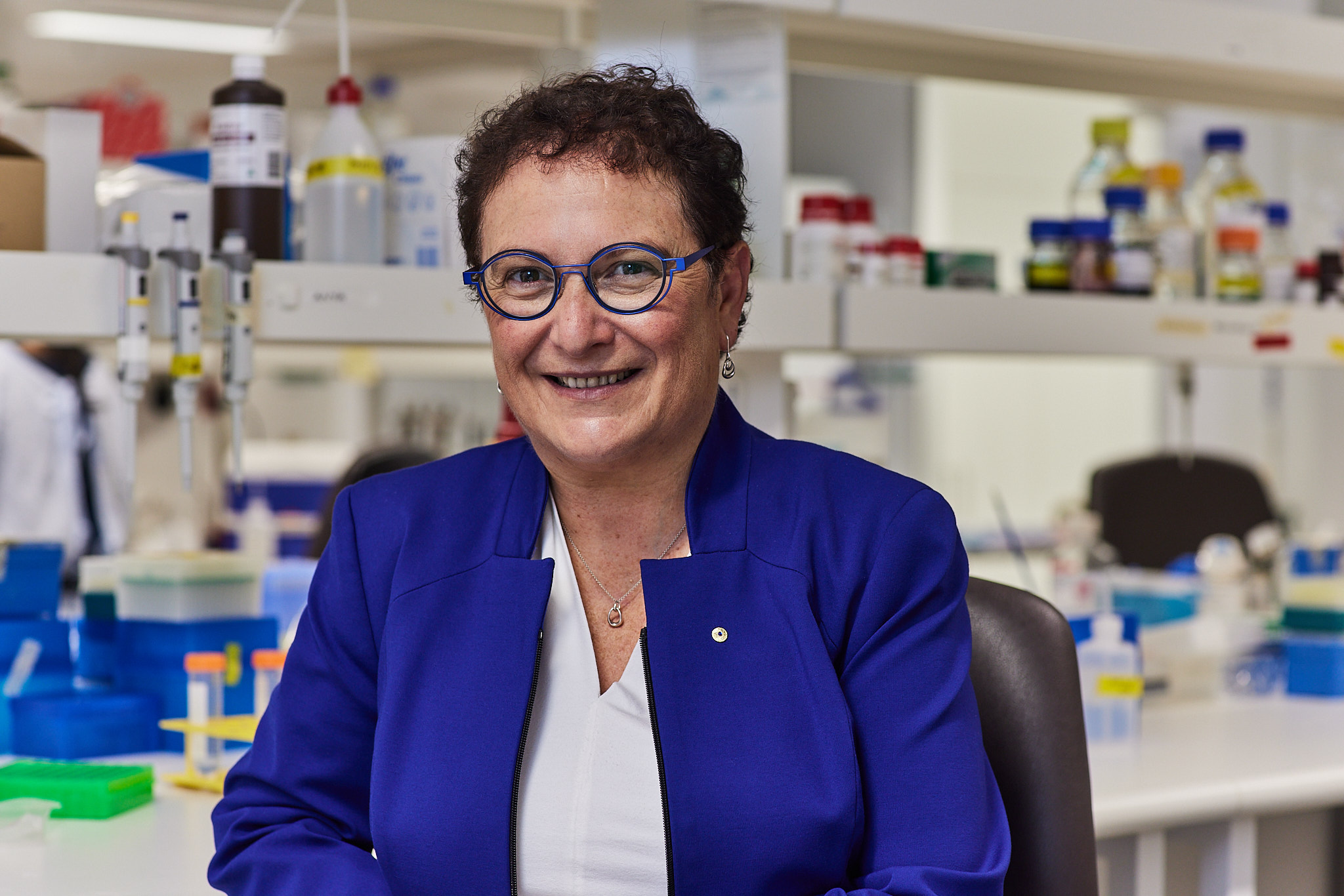

Professor Maria Kavallaris
Children’s Cancer Institute (NSW) and UNSW Sydney (NSW)
$597,501.03
2026 - 2029
Background:
Childhood cancer kills more children than any other disease in Australia.
Neuroblastoma is a rare but serious childhood cancer that mainly affects children under five years old. It develops from nerve cells and can behave very differently from one child to another, making it difficult to predict how aggressive the disease will be. Current treatments for high-risk neuroblastoma are often highly toxic and affect many of the healthy cells in the body. While some children survive, many experience lifelong health problems caused by these intensive treatments.
About the Project:
Prof Maria Kavallaris and team aim to develop a precision treatment approach for children with high-risk neuroblastoma. Researchers will identify genes that neuroblastoma cells depend on to grow and survive, and design therapies that switch off these genes using gene silencing technology. These treatments will be delivered directly to cancer cells using targeted lipid nanoparticles, helping to avoid damage to healthy cells.
By combining gene silencing with targeted delivery, the project seeks to match the right treatment to the right child in a clinically relevant time frame. This approach moves away from one-size-fits-all therapy and work towards personalised cancer treatment for children.
Impact:
This research could lead to safer and more effective treatments for children with high-risk neuroblastoma. By targeting cancer cells more precisely, it has the potential to improve survival while reducing the long-term side effects caused by toxic therapies. If successful, the project is designed to progress into a clinical trial through partnerships with Sydney Children’s Hospital and leading paediatric cancer researchers. In the longer term, this treatment strategy could also be adapted for other childhood and adult cancers.


.svg)