.png)
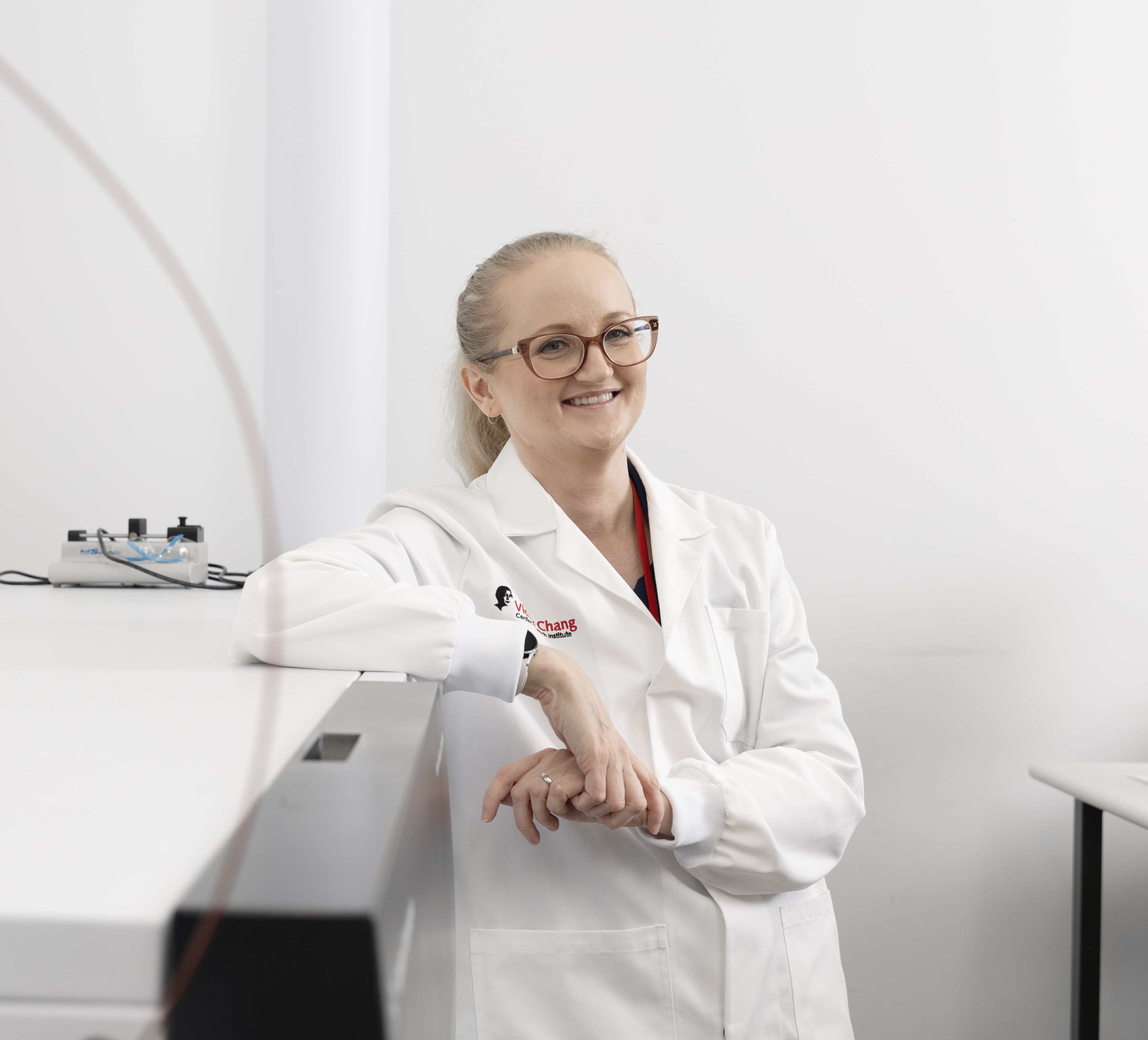
Dr Sarah Hancock
Victor Chang Cardiac Research Institute (VIC)
$595,780
2026 - 2029
Background:
About 4,500 people are diagnosed with pancreatic cancer in Australia each year.
Pancreatic ductal adenocarcinoma (PDAC) is one of the deadliest cancers, with fewer than 1 in 8 people surviving five years. This is largely because the disease is often diagnosed late and quickly becomes resistant to chemotherapy, leaving patients with very limited treatment options. New approaches are urgently needed to improve how existing treatments work and to better identify which patients may benefit from them.
About the Project:
Dr Sarah Hancock and the team are focusing on a weakness in pancreatic cancer linked to how cancer cells make and use fats to survive. The research team has discovered that pancreatic cancer cells rely on two related fat processing enzymes to grow and resist chemotherapy. Importantly, they found that a commonly used chemotherapy drug can weaken one of these enzymes, making the cancer cells much more vulnerable when the second enzyme is also blocked.
Building on this discovery, the project will test whether combining standard chemotherapy with drugs that block this fat processing pathway can improve treatment response. The team will also develop a new, minimally invasive way to detect this vulnerability using very small samples from patients, such as fine needle biopsies or cancer cells found in the blood. This could help identify which patients are most likely to benefit from this targeted treatment approach.
Impact:
This research helps make existing chemotherapy treatments work better for people with pancreatic cancer, potentially slowing tumour growth and improving survival. Because some of the drugs being tested are already in clinical trials, this approach has a clear and faster pathway toward being tested in patients.
In the longer term, this work could lead to more personalised treatment for people with advanced pancreatic cancer and may also inform new treatment strategies for other cancers that rely on similar fat processing pathways.


.svg)